




What Is IT Infrastructure Management and Why It’s Critical for Business Continuity
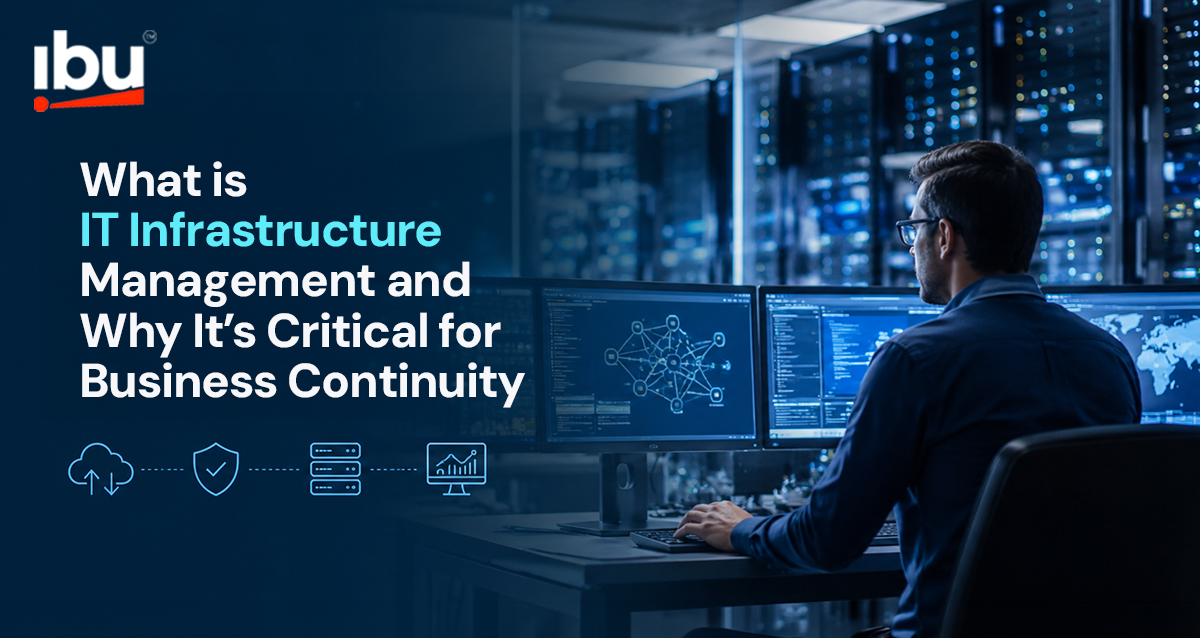
What Is IT Infrastructure Management and Why It’s Critical for Business Continuity
In today’s digital-first business environment, technology is no longer just a support function it is the backbone of operations. From communication and collaboration to customer service and data management, organizations rely heavily on their IT infrastructure to maintain productivity and deliver seamless experiences.
However, as businesses continue to adopt cloud technologies, remote work models, and digital transformation initiatives, managing infrastructure has become increasingly complex. A single outage, performance issue, or security incident can disrupt operations, impact customer trust, and result in significant financial losses.
This is where IT Infrastructure Management plays a critical role.
By monitoring, maintaining, and optimizing IT environments, organizations can ensure business continuity, improve performance, and stay prepared for operational challenges.
What Is IT Infrastructure Management?
IT Infrastructure Management refers to the administration, monitoring, maintenance, and optimization of an organization’s technology environment. It ensures that all components of the IT ecosystem work efficiently and reliably.
This includes:
- Servers and data centers
- Networks and connectivity
- Cloud platforms
- Storage systems
- Applications and services
- Security systems
- End-user devices
The primary goal of infrastructure management is to keep systems performing efficiently while minimizing downtime and operational disruptions.
Modern businesses cannot afford unexpected outages. Effective infrastructure management helps prevent issues before they affect critical operations.
Why Is IT Infrastructure Management Important?
Many organizations only realize the importance of infrastructure management when something goes wrong.
A server failure, network outage, or application disruption can impact employees, customers, and revenue within minutes.
Proper IT Infrastructure Management helps businesses:
- Maintain system availability
- Improve operational efficiency
- Reduce downtime
- Enhance cybersecurity
- Support business continuity
- Improve user experience
Rather than reacting to problems after they occur, infrastructure teams can proactively identify and resolve potential issues before they impact operations.
How IT Infrastructure Monitoring Works
Infrastructure management is built around continuous monitoring and proactive maintenance.
Monitoring systems track the health and performance of critical assets such as:
- CPU usage
- Memory utilization
- Network performance
- Application availability
- Server health
- Disk space capacity
- Service uptime
For example, if a server approaches critical memory levels or storage capacity, automated alerts allow IT teams to take corrective action before users experience disruption.
This proactive approach helps prevent costly downtime and ensures business operations remain uninterrupted.
The Connection Between IT Infrastructure Management and Business Continuity
What Is Business Continuity?
Business continuity refers to an organization’s ability to maintain operations during disruptions such as:
- System failures
- Cybersecurity incidents
- Network outages
- Hardware failures
- Unexpected operational events
Without a strong technology foundation, even minor disruptions can impact productivity and revenue.
How Infrastructure Management Supports Business Continuity
Infrastructure management helps organizations prepare for, respond to, and recover from disruptions by:
- Monitoring system performance in real time
- Identifying risks before failures occur
- Maintaining backup and recovery processes
- Ensuring system availability
- Supporting disaster recovery strategies
A resilient infrastructure allows businesses to continue serving customers even when unexpected challenges arise.
Key Benefits of IT Infrastructure Management
Improved System Reliability
Businesses depend on technology every day. Consistent monitoring and maintenance help ensure infrastructure remains stable and available.
Reliable systems lead to fewer disruptions and improved operational performance.
Enhanced Security
Cybersecurity threats continue to evolve, making infrastructure security a top priority.
Infrastructure management helps organizations:
- Identify vulnerabilities
- Monitor suspicious activity
- Maintain security policies
- Reduce risk exposure
A secure infrastructure is essential for protecting sensitive business and customer data.
Greater Operational Efficiency
Manual monitoring and reactive support can consume significant resources.
Modern infrastructure management solutions automate monitoring, alerting, and reporting processes, allowing IT teams to focus on strategic initiatives rather than routine troubleshooting.
Better User Experience
System slowdowns and outages directly affect employees and customers.
By ensuring high availability and optimal performance, businesses improve productivity, customer satisfaction, and overall user experience.
Reduced Costs
Unplanned downtime can be expensive.
Proactive monitoring helps prevent disruptions, reduce support costs, and minimize productivity losses caused by infrastructure failures.
Common Infrastructure Management Challenges
As technology environments become more complex, businesses face several challenges.
Hybrid Environments
Many organizations operate across on-premises systems and cloud platforms simultaneously.
Managing visibility and performance across multiple environments can be difficult without the right tools and processes.
Increasing Data Volumes
Businesses generate more data than ever before.
Monitoring infrastructure capacity, storage performance, and resource utilization becomes increasingly important as organizations grow.
Evolving Security Risks
Cyber threats continue to become more sophisticated.
Infrastructure management must include security monitoring, incident response planning, and proactive risk management.
Scalability Requirements
As businesses expand, infrastructure needs also evolve.
Organizations require flexible infrastructure strategies that can support growth without compromising performance.
The Future of IT Infrastructure Management
Modern infrastructure management is moving beyond traditional monitoring.
Technologies such as artificial intelligence, machine learning, and automation are enabling more predictive and proactive approaches.
Organizations are increasingly adopting:
- Infrastructure automation
- AI-driven monitoring
- Self-healing systems
- Predictive maintenance
- Cloud-native management solutions
These technologies help businesses identify issues faster, optimize resource usage, and improve overall operational resilience.
As digital transformation accelerates, intelligent infrastructure management will become a competitive advantage.
Frequently Asked Questions (FAQ)
What is IT Infrastructure Management?
IT Infrastructure Management is the process of monitoring, maintaining, securing, and optimizing an organization’s technology environment, including servers, networks, applications, and cloud systems.
Why is IT Infrastructure Management important?
It helps ensure system reliability, improve security, reduce downtime, and support business continuity.
What are infrastructure management services?
Infrastructure management services include monitoring, maintenance, performance optimization, security management, capacity planning, and technical support.
How does IT Infrastructure Management support business continuity?
It proactively identifies issues, prevents outages, supports disaster recovery, and ensures systems remain operational during disruptions.
What is infrastructure monitoring?
Infrastructure monitoring is the continuous observation of IT systems, networks, applications, and servers to identify performance issues and potential failures.
What are the benefits of managed infrastructure services?
Managed infrastructure services help businesses improve system reliability, reduce operational costs, strengthen security, and access specialized expertise.
Ready to Build a More Resilient IT Infrastructure?
Business continuity starts with a reliable and proactive infrastructure strategy.
Whether you’re looking to improve system performance, strengthen infrastructure monitoring, or scale your technology environment, the right infrastructure management approach can help reduce risk and increase operational efficiency.
Learn more about our Infrastructure Management Services:
IT Solutions Company | Technology Solutions | IBU Group
Our experts help organizations monitor, optimize, and future-proof their technology infrastructure for sustainable business growth.
Conclusion
IT Infrastructure Management is no longer just an IT responsibility it is a business necessity. As organizations become increasingly dependent on digital systems, maintaining a secure, reliable, and high-performing infrastructure is essential for long-term success.
By investing in proactive monitoring, infrastructure optimization, and business continuity planning, organizations can reduce downtime, improve performance, and build a resilient technology foundation capable of supporting future growth.